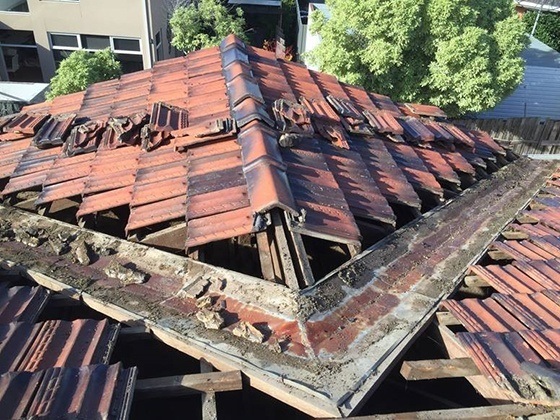
Severe storms across Sydney—bringing destructive winds, heavy hail, and sudden downpours—can cause immediate, severe damage to roof tiles, Colorbond metal sheets, and guttering systems. Knowing the exact steps to take right after a storm hits will protect your property, prevent costly interior water damage, and ensure a smooth insurance claim process.
Step 1: Conduct a Safe Ground-Level Inspection
-
Inspect from the Safety of the Ground: Walk around the perimeter of your house using a pair of binoculars or your smartphone camera zoom. Check for broken, slipped, or missing tiles, lifted metal sheets, bent gutters, and fallen branches.
-
Look for Ground-Level Evidence: Search your garden, driveway, and lawn for broken mortar pieces, tile fragments, loose screws, or granules washed out from roof coatings.
-
Check Internal Ceilings: Inspect your living spaces, cornices, and roof void for dark water stains, bubbling paint, or active ceiling leaks.
-
Never Risk a Fall: Avoid climbing onto a wet, steep, or storm-damaged roof yourself. Damaged structures can easily collapse, and nearby fallen powerlines create severe electrical risks.
Step 2: Contain Emergency Leaks & Prevent Further Damage
-
Relieve Water Pressure: Place buckets or plastic tubs underneath active ceiling drips. If water is pooling on top of your plasterboard ceiling, carefully puncture a small hole in the center of the sagging area with a long screwdriver to drain the water safely into a bucket and prevent a ceiling collapse.
-
Protect Possessions: Move electronics, carpets, and valuable furniture away from leak zones, or cover them with plastic sheeting.
-
Arrange Emergency Tarping: If water is leaking into your home, professional emergency roof tarping is required immediately. (For severe, life-threatening structural collapse, contact the NSW SES on 132 500).
Step 3: Fast-Track Your Insurance Claim
-
Photograph Everything: Document all visible interior water damage, exterior roof defects, fallen debris, and ruined household items with clear photos and video prior to cleaning up.
-
Gather Roof Maintenance Records: Insurers frequently check whether damage was caused by a recent storm or pre-existing wear. Having recent invoices for gutter cleaning or tile repointing proves your roof was well-maintained prior to the storm.
-
Avoid Permanent Repairs Before Assessor Approval: Insurance policies require property owners to carry out emergency "make-safe" repairs to stop ongoing damage, but permanent structural repairs should only begin after an official insurance loss assessor inspects the property.
-
Get an Expert Roofing Inspection Report: Insurers require detailed, line-item inspection reports from licensed trade professionals explicitly linking the roof damage to the specific weather event.
Step 4: Arrange Professional Permanent Repairs
-
Demand an Itemized Scope of Works: Ensure your roofing contractor provides a transparent breakdown detailing materials, safety scaffolding requirements, and labor for your insurer.
-
Hire Licensed Local Experts: Work only with trade-qualified, NSW-licensed roofing contractors carrying full public liability and workers' compensation coverage.
-
Perform a Complete System Inspection: Have technicians inspect all roof flashings, valley gutters, mortar bedding, and ridge caps to catch hidden micro-cracks before they turn into major leaks down the track.
Need Fast Emergency Storm Assistance? Don't let hidden storm damage turn into a structural disaster. Call Sydney Crown Roofing and Gutters on 0451 873 035 for rapid emergency tarping, complete roof assessments, and comprehensive insurance inspection reports across South West Sydney.